
How to choose
- Tool coverage: List the jobs you do most, from assembly and repairs to cutting and measuring, and choose sets that cover them without gaps.
- Bench and storage space: Allow room for a sturdy workbench, a vise and wall storage so tools stay within reach while you work.
- Match colour and finish to what you already own so anything new fits in.
- Choose a set if you want everything to match, or single items if you prefer to mix and build up.
Frequently asked questions
Why does tool steel matter on wrenches and screwdrivers?
Hardened chrome vanadium steel holds its shape under torque, so jaws and tips grip fasteners without rounding them.
Should I choose corded or cordless power tools?
Cordless drills and impact drivers move freely around the bench and site, while corded grinders and sanders suit long runs at one station.
Which material is a good choice for precision measuring tools?
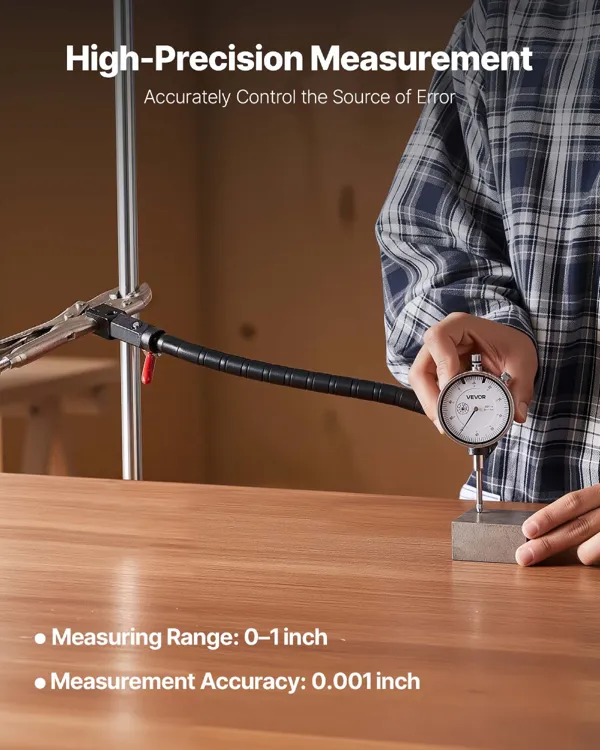
There is no single right material for precision measuring tools: compare weight, feel and care needs, and choose the one that suits how often and where it will be used.
Do size names for precision measuring tools mean the same thing everywhere?
Size names vary because makers label precision measuring tools differently, so compare stated dimensions, materials and descriptions instead of relying on the label.